
Mastering Cooking Recipes: A Comprehensive Guide to Flavor Buildup
By Leila Novak · · 6 min read
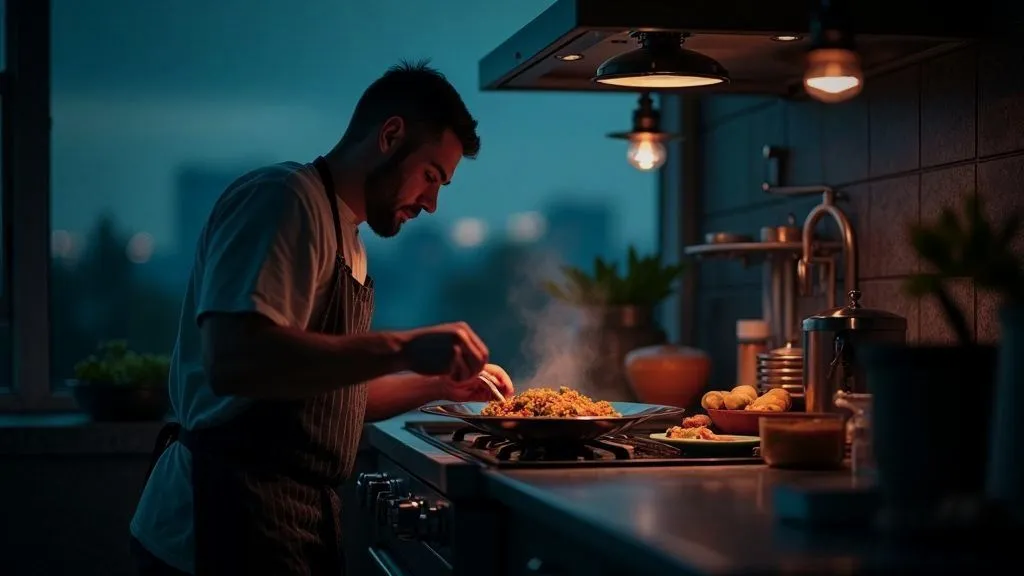
Understanding the Essence of Cooking Recipes
Cooking recipes serve as both a guide and a canvas for culinary creativity. They provide not only precise measurements but also an opportunity to explore flavors, textures, and techniques. Mastering cooking recipes goes beyond merely following steps; it requires a deep understanding of how ingredients interact with one another, the science behind cooking, and the cultural significance of various dishes. This article will delve into the intricacies of cooking recipes, offering insights, techniques, and expert perspectives that will enhance your culinary journey.
The Building Blocks of a Recipe
A well-structured recipe can often be broken down into several key components:
- Ingredients List: A detailed inventory of what is required.
- Preparation Steps: Clear instructions on how to combine and cook the ingredients.
- Cooking Time and Temperature: Essential for determining how your dish turns out.
- Serving Suggestions: Ideas on how to plate and present your dish.
Understanding each of these elements is crucial for creating successful meals.
1. Ingredients List
When reading a recipe, the first thing to consider is the ingredients list. A good recipe will provide precise measurements, which is essential for achieving the intended taste and texture. Consider the following:
- Freshness: Fresh ingredients often yield better flavor. Consult local farmers’ markets or grocery stores that prioritize fresh produce.
- Quality: The quality of ingredients directly affects the final dish. For example, using high-quality olive oil can elevate a simple salad.
According to the USDA, fresh vegetables are generally more nutrient-dense, making them a healthier choice in your cooking recipes.
2. Preparation Steps
Preparation steps guide you through the cooking process. Each step is designed to build on the last, enhancing flavors through techniques such as searing, sautéing, or braising. Here are some essential techniques to master:
- Mise en Place: This French culinary phrase translates to “everything in its place.” Preparing your ingredients before cooking can streamline the process and reduce mistakes.
- Layering Flavors: Start with aromatic vegetables such as onions, garlic, and spices. Browning them in oil releases their essential oils, enhancing the dish’s depth.
Expert chefs often emphasize the importance of understanding techniques over merely following recipes. Chef Thomas Keller, for instance, believes that mastering fundamental skills allows for greater creativity and improvisation in the kitchen.
3. Cooking Time and Temperature
Every recipe will specify cooking times and temperatures. These factors can drastically influence the final dish. Overcooking or undercooking can lead to undesirable results.
- Use a Thermometer: For meats, achieving the right internal temperature is critical. The USDA recommends 165°F for poultry and 145°F for most fish.
- Oven Calibration: Not all ovens are accurate. Consider using an oven thermometer to ensure your cooking recipes yield consistent results.
The Science of Flavor Building
A deeper understanding of flavor profiles can elevate your cooking recipes from ordinary to extraordinary.
Flavor Profiles and How to Build Them
- Umami: Often referred to as the fifth taste, umami is found in foods like mushrooms, tomatoes, and aged cheeses. Incorporating these ingredients can add depth.
- Acidity: Balancing flavors with acidity is crucial. Citrus juice, vinegars, and fermented foods can brighten or cut through rich dishes.
- Sweetness: A hint of sweetness can counterbalance acidic or spicy flavors. Consider using honey or maple syrup in marinades.
Experimenting with Ingredients
Don’t be afraid to substitute ingredients to match your personal taste or dietary requirements.
- Herbs: Fresh herbs like basil and cilantro can dramatically change the flavor profile of a dish. Experimenting with dried versus fresh herbs can yield different results.
- Spices: Toasting spices can release their essential oils, enhancing their flavor. Aim to experiment with different spice combinations to create a unique twist on classic recipes.
Cultural Influences on Cooking Recipes
Understanding the cultural context of cooking recipes adds layers to your culinary exploration. Different cultures have developed unique techniques and flavor profiles based on local ingredients and traditions.
French Cuisine: Precision and Technique
French cooking is known for its emphasis on precision and technique. Classic recipes often involve multiple steps and specific techniques like emulsification (as seen in sauces such as hollandaise) or confit.
Asian Cuisine: A Symphony of Flavors
Asian cooking often balances sweet, salty, sour, and spicy flavors. Techniques like stir-frying and steaming are commonly used, allowing for quick cooking to preserve nutrients.
A Step-by-Step Guide to Crafting Your Own Recipes
Creating your own cooking recipes can be a rewarding experience. Here is a structured approach to develop your culinary creations.
Step 1: Choose Your Base Ingredients
Start by selecting the primary components of your dish. This could be a protein (chicken, tofu), a grain (rice, quinoa), or vegetables.
Step 2: Consider Flavor Combinations
Think about what flavors work well together. Use the flavor profiles discussed earlier to guide your choices.
- Protein Pairing: Chicken can be paired with citrus and herbs, while beef may pair better with umami-rich ingredients like mushrooms or soy sauce.
Step 3: Develop a Technique
Decide how you will cook your dish: grilling, roasting, sautéing, or slow-cooking. Each method will yield different textures and flavors.
Step 4: Write Down the Recipe
Document your ingredients, preparation steps, and cooking times. Be specific about measurements for consistency.
Step 5: Test and Adjust
Cook your dish, taste it, and make adjustments. Perhaps it needs more salt, acid, or sweetness. This iterative process is crucial for perfecting your recipe.
A Sample Recipe: Flavorful Lemon Herb Chicken
Here’s a simple recipe to illustrate the principles discussed.
Ingredients
- 4 chicken breasts
- 2 tablespoons olive oil
- Juice of 1 lemon
- Zest of 1 lemon
- 2 cloves garlic, minced
- 1 tablespoon fresh rosemary, chopped
- Salt and pepper to taste
Preparation Steps
- Marinate: In a bowl, combine olive oil, lemon juice, lemon zest, garlic, rosemary, salt, and pepper. Add chicken breasts, ensuring they are well-coated. Let marinate for at least 30 minutes.
- Preheat Oven: Preheat your oven to 400°F (200°C).
- Sear: In a skillet over medium-high heat, sear the chicken for 3-4 minutes on each side until golden brown.
- Bake: Transfer the chicken to a baking dish and bake for 20-25 minutes, or until the internal temperature reaches 165°F.
- Rest and Serve: Let the chicken rest for 5 minutes before slicing. Serve with seasonal vegetables for a balanced meal.
The Essence of Experimentation in Cooking Recipes
Cooking is an art, encouraging creativity and personal expression. While foundational recipes provide guidance, they should serve as starting points.
Techniques for Culinary Innovation
- Ingredient Substitution: Swap ingredients based on availability or dietary needs.
- Flavor Experimentation: Mix and match spices and herbs to find unique combinations that suit your palate.
- Culinary Mashups: Combine elements from different culinary traditions, such as using a stir-fry technique to prepare a classic Italian sauce.
Conclusion
Mastering cooking recipes is a blend of understanding techniques, experimenting with flavors, and appreciating cultural influences. By recognizing the science behind flavor buildup and the importance of quality ingredients, you can elevate your dishes and create memorable meals.
Whether you are crafting your own recipes or following established ones, remember that the journey of cooking can be just as delightful as the dish itself. This exploration of culinary creativity not only enhances your skills but also brings joy to the table.
Investing time in your cooking practice will yield countless rewards, transforming not just your kitchen endeavors but also the way you celebrate meals with loved ones. The adventure of exploring cooking recipes is boundless, waiting for you to embark on it. Happy cooking!