
Mastering Cooking Recipes: A Comprehensive How-To Guide
By Leila Novak · · 5 min read
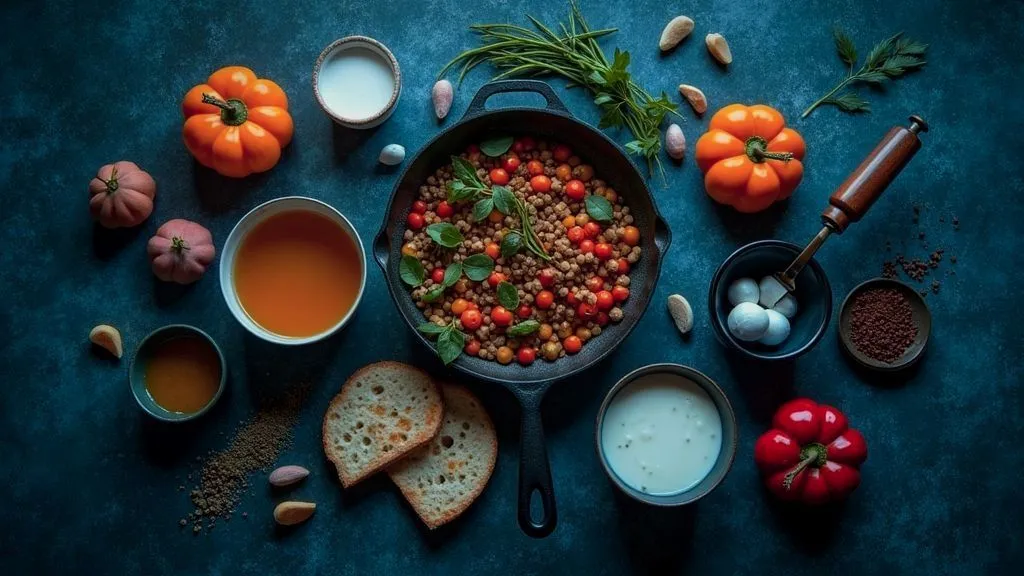
Mastering Cooking Recipes: A Comprehensive How-To Guide
Cooking is an art form that requires both creativity and skill. Whether you are a novice in the kitchen or a seasoned chef, understanding how to approach cooking recipes can elevate your culinary creations. This guide will explore the essential steps to mastering cooking recipes, offering insights from experts and actionable advice that will make your time in the kitchen an enjoyable experience.
1. Understanding the Basics of Cooking Recipes
Before you jump into the world of cooking recipes, it’s crucial to familiarize yourself with the basic components that make a recipe successful. Each recipe typically consists of:
- Ingredients: The building blocks of your dish, which can include fresh produce, grains, proteins, and spices.
- Cooking Methods: Techniques such as grilling, baking, frying, and steaming that transform raw ingredients into delicious meals.
- Instructions: Step-by-step guidance that outlines how to prepare the dish, including preparation times and cooking durations.
Expert chefs emphasize the importance of reading through the entire recipe before starting. This allows you to gather all necessary ingredients and equipment, ensuring a smoother cooking process.
2. Selecting the Right Ingredients
The quality of your ingredients will greatly affect the final outcome of your dish. Here’s how to select the best ingredients for your cooking recipes:
- Freshness: Always choose fresh produce. Look for fruits and vegetables that are firm and vibrant. If using meats, ensure they are within their sell-by dates and properly refrigerated.
- Seasonality: Using seasonal ingredients can enhance flavor and reduce costs. For instance, spring brings asparagus and peas, while fall offers squash and apples.
- Organic vs. Conventional: While organic ingredients may be preferable for some, they can also be more expensive. Choose organic for items on the Environmental Working Group’s dirty dozen list but consider conventional for others.
3. Tools and Equipment
The right tools can make cooking recipes easier and more enjoyable. Here are some essential kitchen tools you should have:
- Chef’s Knife: A quality chef’s knife is indispensable for chopping, slicing, and dicing.
- Cutting Boards: Use separate boards for meats and vegetables to avoid cross-contamination.
- Mixing Bowls: These are essential for combining ingredients. Consider nesting bowls for easy storage.
- Measuring Cups and Spoons: Accuracy in measurements is critical for successful outcomes. Invest in a good set of dry and liquid measuring tools.
- Cookware: Invest in high-quality pots, pans, and baking sheets. Non-stick options are great for beginners.
4. Preparing Your Workspace
A clutter-free workspace leads to a more efficient cooking experience. Follow these steps to prepare your kitchen:
- Clean Your Countertops: Make sure your work area is clean and sanitary.
- Organize Ingredients: Lay out all your ingredients in the order they will be used. This concept is often referred to as “mise en place,” which means everything in its place.
- Gather Tools: Have all your cooking tools within reach. This minimizes time spent searching for items when you could be cooking.
5. Cooking Techniques for Success
Familiarizing yourself with various cooking techniques can greatly expand your repertoire. Here are some fundamental methods to master:
a. Sautéing
This method involves cooking food quickly in a small amount of oil over high heat. It’s ideal for vegetables and proteins. Always preheat your pan to avoid sticking.
b. Roasting
Roasting is cooking food evenly in an oven. It’s perfect for meats and vegetables. You’ll want to preheat your oven and ensure your food is evenly coated in oil for even browning.
c. Boiling
Boiling is the process of cooking food in water or broth at high temperatures. This method is often used for pasta or vegetables. Remember to salt your water for added flavor.
6. Following Recipe Instructions
When it comes to cooking recipes, following instructions is crucial. Here are some tips:
- Read Thoroughly: Don’t skip ahead. Understanding the entire process will prevent mishaps.
- Measure Accurately: Use the appropriate measuring tools for dry and liquid ingredients.
- Timing is Key: Pay close attention to cooking times. Use a timer to help keep track.
- Adjust as Necessary: Don’t be afraid to tweak recipes. Taste your food as you go and adjust seasoning to your preference.
7. Presentation Matters
Once your dish is complete, presentation is key. Here are some techniques to elevate your plate:
- Use Color: Incorporate colorful ingredients to make your dish visually appealing. Think of vibrant vegetables, herbs, or sauces.
- Garnishes: Fresh herbs or a drizzle of sauce can add an extra touch.
- Plating Technique: Use white plates to make the colors pop. Consider arranging your food in a stack for added height.
8. Learning and Experimenting
As you become more comfortable with cooking recipes, experimentation can lead to exciting new flavors and techniques. Here’s how to start:
- Alter Ingredients: Swap out ingredients in a recipe based on personal taste or what you have available.
- Try New Cuisines: Explore different culinary traditions. This can introduce you to new spices and cooking methods.
- Document Your Changes: Keep a cooking journal to note what works and what doesn’t. This can guide future attempts.
9. Troubleshooting Common Issues
Mistakes are part of the cooking process. Here are common issues and how to resolve them:
- Overcooked Vegetables: If you’ve cooked your vegetables too long, try adding them to a dish that needs moisture, like a stew.
- Flavorless Dish: If your dish lacks flavor, add salt gradually, or consider incorporating herbs and citrus.
- Burnt Food: In case of burning, remove the food from heat and salvage what you can. A bit of burnt flavor can sometimes be masked with sauce or seasoning.
10. Embracing the Cooking Community
Join a cooking class or find online cooking communities. Many cooking enthusiasts share tips and tricks that can enhance your cooking repertoire. Engaging with others can also motivate you to try new things.
FAQ Section
Q1: How do I choose a recipe that suits my skill level?
A1: Start with simple recipes that require fewer ingredients and techniques. As you gain confidence, gradually try more complex dishes.
Q2: What can I do if I don’t have a specific ingredient?
A2: Look for substitutions online or use a similar ingredient you have on hand. Often, creativity in swapping can lead to unique flavors.
Q3: How can I make meal prep easier?
A3: Choose one day a week to plan your meals. Prep ingredients in advance and store them in labeled containers to streamline your cooking.
Q4: What is the best way to store leftovers?
A4: Use airtight containers to store leftovers in the refrigerator. Most cooked dishes can last 3-4 days, while soups and stews often freeze well.
Mastering cooking recipes is a journey that requires practice and patience. With the right ingredients, tools, and techniques, anyone can transform their culinary skills and create delicious meals that impress both themselves and their guests. Remember, the more you cook, the better you will become. Happy cooking!