
Mastering Cooking Recipes: The Art of Flavor Layering
By Leila Novak · · 6 min read
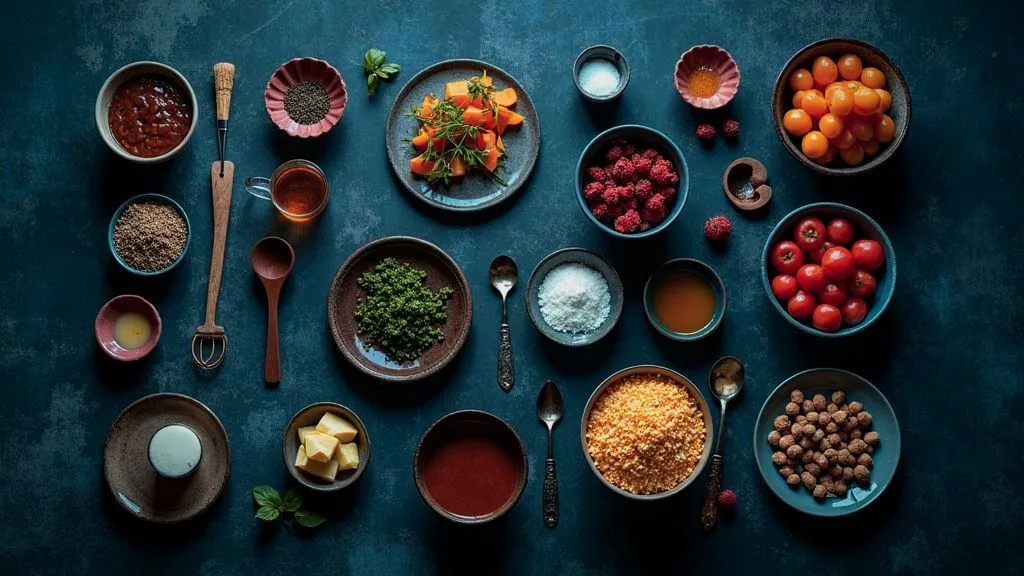
Cooking can be a journey of exploration and creativity, and mastering the subtleties of flavor layering in cooking recipes is akin to painting a masterpiece. This technique, often overlooked, allows you to build depth, balance, and excitement in every dish you prepare. Understanding how to layer flavors effectively opens the door to both simple and intricate recipes that leave a lasting impression.
In this article, we will break down the concept of flavor layering, explore key techniques, and provide you with practical steps to implement these strategies in your own cooking recipes. Throughout this guide, you’ll learn how to enhance your dishes, leaving your family and friends asking for seconds.
What is Flavor Layering?
Flavor layering refers to the practice of building complexity in a dish by combining various ingredients that complement and enhance each other. This method goes beyond simply mixing flavors; it’s about understanding how different components work together to create a harmonious culinary experience.
The Importance of Flavor Layering
Flavor layering is essential for several reasons:
- Depth: It adds complexity, preventing dishes from tasting flat or one-dimensional.
- Balance: By incorporating contrasting flavors and textures, you create a more enjoyable eating experience.
- Creativity: It offers an opportunity to experiment with unique combinations.
Let’s explore how to layer flavors with ingredients, cooking methods, and presentation techniques that elevate your cooking recipes.
Essential Elements of Flavor Layering
To successfully master flavor layering, you must understand the key elements that contribute to a dish’s overall profile. Here are some fundamental components:
1. Base Flavors
Base flavors form the foundation of any dish. They include:
- Aromatics: Onions, garlic, herbs, and spices that provide the initial scent and taste.
- Liquids: Stocks, broths, oils, and vinegars that create moisture and carry flavor.
Expert Perspective
Chef Maria Gonzalez emphasizes the significance of beginning with a flavorful base: “Start with the right aromatics; they set the stage for everything that follows. Sauté onions and garlic in olive oil before building your sauce — that’s your flavor powerhouse.”
2. Seasonings and Spices
The right seasonings can elevate your dish. Consider:
- Salt: Enhances natural flavors.
- Acidity: Ingredients like citrus, vinegar, or wine can brighten dishes.
- Heat: Adding spices like chili can create layers of warmth.
3. Texture
Different textures contribute to the sensory experience of a dish:
- Crispy vs. Creamy: Pairing a crunchy topping with a smooth base can create a satisfying contrast.
- Temperature Variations: Serving hot and cold elements together can enhance enjoyment.
4. Finishing Touches
Don’t overlook the final elements that can make a dish shine:
- Garnishes: Fresh herbs, zests, or drizzles of oil can add freshness.
- Sauces: A well-crafted sauce can tie together the components of your dish.
Building Your Flavor Layering Technique
Now that you understand the essential elements, let’s outline specific steps to effectively layer flavors in various cooking recipes.
Step 1: Start with a Flavorful Base
Begin every dish with a strong foundation. Sauté aromatics like onions, garlic, and ginger in a suitable fat. This process not only releases essential oils but also sets the foundation for subsequent flavors.
Example Recipe: Classic Vegetable Stir-Fry
- Heat 2 tablespoons of vegetable oil in a pan.
- Add 1 cup of diced onions and 2 minced garlic cloves. Sauté until translucent.
- Introduce your favorite vegetables.
Step 2: Incorporate Seasonings and Spices
Once your base is established, it’s time to add seasonings and spices. Consider the following:
- Timing Matters: Add dried herbs early in the cooking process for them to release their flavors. Fresh herbs are best added at the end.
- Layering Acidity: Use vinegar or citrus juice towards the end to brighten the dish without overpowering the other flavors.
Example: Enhancing Your Stir-Fry
- After introducing the vegetables, sprinkle in 1 teaspoon of soy sauce, 1 teaspoon of freshly grated ginger, and a pinch of red pepper flakes.
Step 3: Create Texture Contrast
Incorporate textures to add interest. If you’re preparing a grain dish, consider adding nuts or seeds for a crunchy finish. If you’re making a sauce, think about adding cream or yogurt for a smooth finish.
Example: Crunchy Topping for Your Stir-Fry
- Just before serving, toss in a handful of toasted sesame seeds for a delightful crunch.
Step 4: Present with Care
Presentation is just as crucial as taste. Serve your layered dish in a way that highlights its various components. Consider using a white plate to let the vibrant colors stand out.
Example: Plating Your Stir-Fry
- Spoon the stir-fry in the center of the plate, then garnish with fresh cilantro and a wedge of lime.
Experimenting with Flavor Layering Techniques
Balancing flavors requires practice, and experimenting is vital to mastering the art of layer building. Here are some techniques to explore:
1. Deconstruction
Take classic recipes and break them down into their components. Present the elements separately on the plate, allowing guests to experience the individual flavors before combining them.
Example: Deconstructed Caprese Salad
- Arrange slices of fresh mozzarella, tomatoes, and basil on a platter. Drizzle with balsamic reduction and olive oil before serving.
2. Infusions
Infuse oils or liquids with herbs and spices for added depth. This technique allows for subtle flavor nuances to emerge in your dishes.
Example: Infused Olive Oil
- Combine olive oil with garlic cloves and fresh rosemary in a small saucepan. Heat gently for 10 minutes, then cool and strain for a fragrant oil.
3. Layering Sauces
Using multiple sauces can create contrasting flavors. Consider a tangy sauce paired with a rich or spicy one.
Example: Layered Sauces for Tacos
- Serve tacos with a creamy avocado sauce alongside a zesty tomato salsa.
Flavor Layering in Different Cuisines
Flavor layering techniques vary across different cultures. Let’s explore how you can incorporate these approaches into popular cuisines.
Italian Cuisine
Italian cooking is all about balance and harmony. Here, the layering of flavors is often achieved through techniques such as:
- Using High-Quality Ingredients: Fresh tomatoes, basil, and extra-virgin olive oil are staples that naturally enhance flavor.
- Layering Pasta: Alternate layers of pasta, sauce, and cheese in dishes like lasagna for a comforting meal.
Asian Cuisine
Many Asian cuisines focus on harmony and contrast. Techniques include:
- Balancing Sweet, Sour, Spicy, and Savory: Dishes often include elements that contrast each other, such as sweet teriyaki paired with spicy chili paste.
- Umami-Rich Ingredients: Use of miso, soy sauce, and fermented products to deepen flavor profiles.
Practical Tips for Successful Flavor Layering
To achieve successful flavor layering in your cooking recipes, consider the following tips:
- Taste as You Go: Continuously check and adjust seasoning throughout the cooking process. This practice allows you to find the right balance.
- Think About Temperature: Serving dishes at the right temperature can greatly affect flavor perception.
- Keep it Simple: Start with a few core flavors and gradually introduce more as you gain confidence.
- Educate Your Palate: Experiment with different cuisines to expand your understanding of flavors and their interactions.
Conclusion: Crafting Culinary Masterpieces
Mastering the art of flavor layering in cooking recipes is a skill that takes time and practice. By understanding the core elements and techniques, you can transform your dishes from simple to exceptional. Experimentation will be your greatest ally as you learn to navigate flavors across various cuisines.
Embrace the journey of flavor exploration, and soon enough, you’ll be creating culinary masterpieces that not only satisfy hunger but also inspire joy and excitement at every meal. Whether you’re preparing a simple weeknight dinner or an elaborate feast for friends, the art of flavor layering can elevate your cooking from ordinary to extraordinary. Remember, even a little practice goes a long way in perfecting your culinary skills.